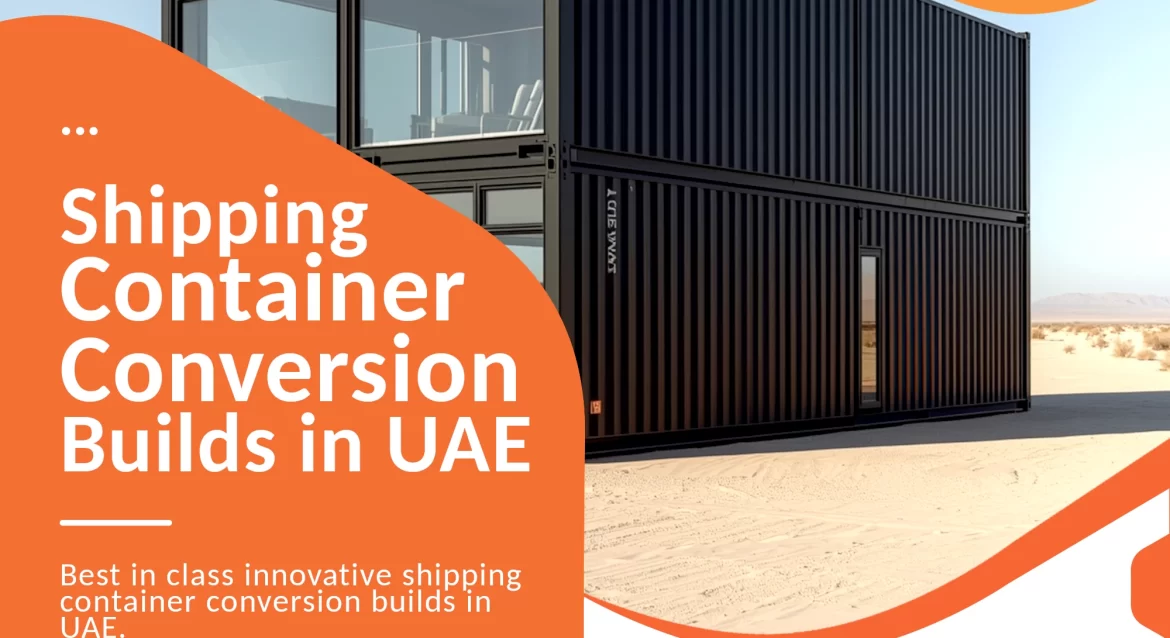
Achieving a net-zero shipping container building in the UAE is a challenging yet attainable goal through integrated design, renewable energy, and operational efficiency. This guide provides a comprehensive roadmap, from site selection and passive design to on-site generation, enabling sustainable, self-sufficient modular structures.
Table of Contents
1. The Net-Zero Imperative and Defining the Goal
The concept of a net-zero building, which generates as much energy as it consumes over a year, has moved from a niche aspiration to a critical imperative in the UAE’s ambitious sustainability agenda. With the nation’s Net Zero 2050 strategic initiative, developers, businesses, and government entities are actively seeking pathways to decarbonize the built environment, and shipping container buildings offer a unique platform to achieve this. A net-zero shipping container Building UAE is not just an environmentally responsible choice but a strategic one, reducing operational costs, insulating against future energy price volatility, and creating a powerful marketing narrative of genuine sustainability. For such a building to be truly net-zero, every aspect of its lifecycle, from the embodied carbon of its materials to its daily operational energy use, must be meticulously managed. Achieving net-zero status requires a holistic, systems-thinking approach that integrates passive design, energy-efficient systems, and on-site renewable energy generation, all guided by rigorous performance modeling. Arabian Containers, as a pioneering container Building conversion company in UAE, is at the forefront of this movement, developing integrated solutions that turn this ambitious standard into a tangible, achievable reality. The journey to net-zero begins with a clear definition of the project’s energy budget, setting a performance target that dictates the building’s design, orientation, and systems. This target must account for all energy loads, including lighting, cooling, equipment, and the plug loads from appliances used within the space. By committing to a net-zero goal from the project’s inception, clients align with national sustainability priorities and future-proof their investment against tightening regulations. This commitment requires a dedicated partner like Arabian Containers, whose expertise in container modification and sustainable design makes the net-zero ambition a viable and exciting architectural endeavor.
2. Site Selection and Passive Solar Design Principles
The journey to a net-zero building begins not with the structure itself, but with the strategic selection of its location and the meticulous application of passive solar design principles tailored to the UAE’s unique climate. Choosing a site with optimal solar orientation is the first step; positioning the building’s longest facade to face south (in the northern hemisphere) maximizes exposure for photovoltaic panels while minimizing direct solar heat gain on the glazed surfaces. Understanding local wind patterns can inform natural ventilation strategies, reducing the cooling load during the more temperate months, a key consideration in the UAE’s climate. The use of natural shading, such as strategically placed trees, adjacent structures, or permanent architectural overhangs, can significantly reduce heat gain through windows, a critical passive cooling measure. Arabian Containers incorporates these passive strategies during the initial design phase of a container Building conversion, ensuring the building works with the environment, not against it. Cool roofing materials with high solar reflectance and thermal emittance properties are specified during container fabrication to further reduce heat absorption. The orientation and placement of windows are also critical; by minimizing glazing on east- and west-facing walls, which receive the most intense solar radiation, and optimizing it on the north and south, natural daylight can be harnessed without excessive heat gain. This careful site and orientation analysis, a fundamental service of a professional prefab Building construction company in UAE, can reduce the building’s baseline energy demand by 20-30% without any active systems. By harnessing the UAE’s abundant sunshine through smart design and orientation, the foundation is laid for a building that needs less energy to maintain comfort, making the path to net-zero significantly more achievable and cost-effective.
3. Creating a Super-Insulated, Airtight Thermal Envelope
The single most critical engineering element for achieving net-zero in the UAE’s harsh climate is the creation of a super-insulated, airtight thermal envelope that dramatically reduces heat transfer between the interior and the exterior. The unmodified steel shipping container is an excellent conductor of heat, making advanced insulation an absolute non-negotiable requirement for any energy-efficient building in the region. Arabian Containers addresses this by applying a continuous layer of high-performance, closed-cell spray foam insulation to all interior surfaces—walls, ceiling, and floor—during the container modification process. This insulation not only provides an industry-leading R-value (thermal resistance) but also acts as a seamless air and vapor barrier, preventing the infiltration of hot, humid air and the exfiltration of cooled air, which are the primary drivers of cooling loads. The airtightness of the building is paramount; any leaks in the envelope can undermine even the best insulation, so meticulous sealing of all joints, seams, and penetrations is a core part of the container fabrication. This attention to detail, a hallmark of Arabian Containers’ work as a premier Modular Building conversion company in UAE, creates a building that is both highly efficient and comfortable. High-performance, thermally broken window and door systems are integrated, using double or triple-glazed, low-emissivity (Low-E) glass to minimize heat transfer through the largest potential thermal bridges. The combination of superior insulation and airtight construction effectively transforms the container into a thermal fortress, requiring significantly less energy to maintain a consistent, comfortable internal temperature. This super-efficient shell is the bedrock upon which all other net-zero strategies are built, reducing the total energy demand to a level that can be realistically met by on-site renewable generation. By investing in a high-performance envelope, clients drastically reduce the size and cost of the renewable energy system needed to achieve net-zero status, making the entire solution more practical and economically viable.
4. Integrating High-Efficiency, Climate-Smart HVAC Systems
With the thermal envelope secured, the next critical step is selecting and integrating a highly efficient HVAC (Heating, Ventilation, and Air Conditioning) system that can maintain comfort while minimizing energy consumption, a key driver of net-zero success. The compact volume of a shipping container Building conversion allows for the use of smaller, more efficient systems, which are often less expensive to purchase and operate than those required for a conventional building. Arabian Containers typically recommends variable refrigerant flow (VRF) or high-efficiency inverter-driven split systems that can modulate their output based on the actual cooling demand, rather than simply turning on and off. These systems are significantly more energy-efficient than traditional fixed-speed units, particularly in the UAE’s climate where partial-load operation is common. Dedicated fresh air systems with energy recovery ventilation (ERV) are a crucial component, as they continuously supply filtered outdoor air while recovering the cooling energy from the exhausted stale air. This significantly reduces the energy required to condition the incoming fresh air, a major load in a sealed, tight building. The use of smart thermostats with occupancy sensors and geofencing capabilities allows for highly granular control, ensuring the building is only cooled when occupied and that temperature setpoints are automatically adjusted based on occupancy patterns. Arabian Containers integrates these intelligent controls during the container fabrication, ensuring a seamless and optimized HVAC solution. The system is also designed to operate efficiently during the UAE’s peak summer temperatures, requiring careful selection of equipment that can perform reliably in extreme conditions. This holistic, high-efficiency approach to climate control ensures that the active cooling systems, which would otherwise be the largest energy consumer, are as energy-lean as possible, bringing the building significantly closer to its net-zero energy balance.
5. Harnessing Solar Energy with Photovoltaic (PV) Systems
For a net-zero building in the sun-drenched UAE, on-site solar energy generation through a grid-connected or battery-backed photovoltaic (PV) system is the essential final piece of the energy puzzle. The abundant solar irradiance in the region offers an ideal resource for generating the electricity needed to offset the building’s consumption, and the flat roof of a shipping container provides an excellent platform for mounting solar panels. Arabian Containers can engineer custom rooftop PV systems that are seamlessly integrated during the container modification, ensuring the panels are securely mounted and the wiring is discreetly routed into the building’s electrical system. The size of the PV array must be carefully calculated to meet the building’s anticipated annual energy load, taking into account the efficiency of the panels, the available roof space, and the potential for future energy needs. For maximum efficiency, monocrystalline high-efficiency panels are often selected, as they offer better performance per square meter and are more effective in high-temperature conditions common in the UAE. A key consideration for net-zero certification is whether the system includes battery storage to allow the building to operate independently of the grid during the night or during power outages. While grid-tied systems can offset consumption on a net-metering basis, batteries provide true energy independence and resilience, a significant advantage for remote or off-grid projects. Arabian Containers, as a forward-thinking shipping container conversion company in UAE, works with certified solar installers to ensure the PV system is properly sized, installed, and commissioned to operate at peak performance. The on-site generation capacity must be validated through performance modeling, ensuring it can indeed meet the building’s annual energy demand to achieve the net-zero status. By turning the building’s roof into a mini power plant, a net-zero shipping container Building UAE becomes a self-sufficient entity, producing as much clean energy as it uses.
6. Energy-Efficient Lighting and Smart Controls
After tackling the major loads of cooling and HVAC, attention turns to the building’s smaller but significant energy draws, such as lighting, which can be minimized through strategic design and smart technology. The adoption of 100% LED lighting is a non-negotiable standard for any net-zero building, as LED technology offers dramatic energy savings over traditional lighting while providing superior light quality and longevity. Arabian Containers designs the lighting plan to maximize the use of task lighting, which focuses light exactly where it’s needed, rather than inefficiently lighting entire spaces from overhead. Natural daylight is the most energy-efficient light source, so the container modification includes strategically placed windows, skylights, or light tubes to minimize the need for artificial lighting during the day. To complement this, daylight harvesting sensors can be integrated, which automatically dim or switch off artificial lights when sufficient natural light is available. Occupancy sensors are another critical component, automatically turning off lights in unoccupied rooms, eliminating the waste of lights left on accidentally. All lighting and small power outlets are connected to a smart building management system (BMS) that can be controlled locally or remotely, providing real-time data on energy consumption and allowing for optimization. Arabian Containers, as a sophisticated Modular Building builder in UAE, integrates these smart controls seamlessly into the container fabrication, ensuring a clean and technologically advanced finish. The BMS can also be programmed with a “vacation mode” that minimizes energy usage during extended periods of absence, further reducing overall consumption. By minimizing the lighting load and deploying intelligent controls, the building’s total energy demand is significantly reduced, making the net-zero target more readily achievable and the building more responsive to its occupants’ needs.
7. Water Conservation and Sustainable Resource Management
A comprehensive net-zero building strategy extends beyond energy to include the responsible management of water, a precious resource in the UAE, requiring integrated conservation systems. While water conservation doesn’t directly impact the energy balance, it is a core pillar of sustainability and contributes to a lower overall environmental footprint. Arabian Containers integrates water-efficient fixtures during the container modification, such as low-flow faucets, dual-flush toilets, and waterless urinals, which can reduce water consumption by 30-50% compared to standard fixtures. Rainwater harvesting is a powerful addition, collecting runoff from the roof and storing it in an integrated tank for non-potable uses like landscape irrigation or toilet flushing. In the UAE, even a modest rainfall event can yield a significant volume of water for a standard-sized container roof, providing a valuable supplementary water source. For larger projects, greywater recycling systems can be incorporated, which treat wastewater from hand-washing and showers and reuse it for flushing or irrigation, achieving further water savings. The choice of landscaping is also critical; selecting native, drought-tolerant plants and using efficient drip irrigation with soil moisture sensors eliminates water waste. These water conservation measures, designed and installed during the container fabrication process, not only reduce the building’s environmental impact but also lower its operational costs. By reducing the building’s water demand, the strain on municipal water supplies is lessened, contributing to the overall resilience of the community. A net-zero building, through integrated design with Arabian Containers, demonstrates a holistic commitment to sustainability that encompasses all resources, not just energy. This comprehensive approach aligns with the UAE’s broader environmental goals and positions the building as a leader in responsible stewardship.
8. Smart Monitoring, Commissioning, and Performance Validation
Achieving net-zero status is not a one-time event but an ongoing process that requires rigorous monitoring, commissioning, and validation to ensure the building performs as designed and the energy balance is maintained. The building must be equipped with a comprehensive submetering system that tracks energy consumption for all major loads: HVAC, lighting, plug loads, and the PV generation system separately. This granular data is essential for understanding the building’s energy profile, identifying any unexpected consumption patterns or underperforming systems that need attention. The commissioning process, which involves testing and verifying that all systems are operating as designed, is a critical step before handover, ensuring the building’s performance aligns with the net-zero model. Arabian Containers oversees a meticulous commissioning process for all its container Building conversion projects, confirming the insulation quality, airtightness, and the functionality of all HVAC, lighting, and renewable energy systems. After occupancy, a formal performance period of at least one year is typically required to validate the net-zero claim, accounting for seasonal variations in climate and occupancy patterns. During this period, the building’s energy data is collected and analyzed to confirm that the on-site generation matches or exceeds the total consumption over the full year. If any performance gaps are identified, Arabian Containers’ team can work with the client to implement corrective measures, such as fine-tuning system setpoints or adjusting operational schedules. Continuous monitoring allows for ongoing optimization, ensuring the building remains net-zero year after year as user habits or technology evolve. By implementing a robust monitoring and validation protocol, a modular Shipping container Building from Arabian Containers provides tangible proof of its sustainability claims, building trust and demonstrating genuine commitment to environmental performance. This data-driven, performance-validated approach is what separates a true net-zero building from a well-intentioned but unverified project.
9. Material Selection and Embodied Carbon Reduction
While operational energy is the primary focus for net-zero, the sustainability of a building is incomplete without addressing the embodied carbon of its materials, prompting a focus on responsible sourcing and low-impact options. The primary structural material—the reused shipping container—already represents a significant reduction in embodied carbon compared to new steel or concrete, as its production emissions have already been amortized. Arabian Containers further optimizes this by selecting containers in good condition, minimizing the need for extensive steel repairs and replacements. For the interior finishes, the selection of materials with low embodied carbon is a key consideration, such as recycled content composites, rapidly renewable bamboo, and FSC-certified timber for any wood elements. The use of low-VOC, non-toxic paints, sealants, and adhesives is standard practice, contributing to a healthier indoor environment and reducing the chemical footprint. Locally sourced materials are prioritized wherever possible, reducing the transportation emissions associated with the building’s supply chain. The durability of the materials selected is also a factor in sustainability; materials with a longer lifespan reduce the need for frequent replacements and the associated manufacturing and disposal impacts. Arabian Containers, as a responsible prefab Building construction company in UAE, advises clients on material choices that balance aesthetics, performance, and environmental responsibility, ensuring the building’s overall environmental profile is optimized. By carefully considering the embodied carbon of all materials, the total carbon footprint of the building is minimized, complementing the operational net-zero goal. This holistic view of sustainability ensures that the building is not just operationally carbon neutral but is also designed with a lower overall environmental impact from its very conception.
10. Behavioral Adaptation and Occupant Engagement
The final and often most human element in achieving net-zero success is the behavior of the building’s occupants, whose daily habits and awareness can significantly influence the overall energy balance. A building designed to be net-zero requires occupants who understand and engage with its systems, making simple adjustments that can dramatically impact energy consumption. This includes practices like turning off lights and equipment when not in use, taking advantage of natural daylight, and adhering to the building’s optimized temperature setpoints. Arabian Containers provides clients with a clear “User Guide” that explains the building’s systems, the importance of energy-conscious behavior, and simple steps they can take to help maintain its net-zero performance. Installing a visible energy dashboard can be a powerful tool, providing real-time feedback on the building’s consumption and generation, fostering a sense of shared responsibility and pride among users. This can gamify the process of energy management, encouraging occupants to be more mindful of their individual contributions to the building’s performance. The design of the building itself can encourage sustainable behavior; easy-to-use shading controls, intuitive lighting interfaces, and well-placed natural ventilation options empower occupants to make comfortable, eco-friendly choices. Regular communication and engagement from building management about the building’s performance and overall sustainability achievements can create a sense of community and shared purpose. A net-zero building is, in effect, a partnership between the technology and the people who inhabit it, with the behavior of the latter being a crucial variable in the energy equation. Arabian Containers ensures its net-zero designs are not just technologically advanced but are also user-friendly, making it easier for occupants to participate in the building’s sustainable mission.
11. Achieving Net-Zero with Arabian Containers: A Collaborative Journey
The journey to a net-zero shipping container building is a collaborative, multi-phased process where Arabian Containers acts as the central partner, guiding the client from the initial concept through to final validation and beyond. The process begins with a discovery phase, where the client’s vision, sustainability ambitions, and specific project requirements are discussed, enabling Arabian Containers to develop a tailored, integrated design and feasibility study. Arabian Containers’ engineering team then creates a comprehensive energy model, simulating the building’s performance to size the HVAC and solar PV systems accurately and optimize the thermal envelope for maximum efficiency. This detailed performance modeling ensures that the proposed design can indeed achieve the net-zero energy balance, providing clients with the confidence that their ambitious goals are technologically and financially feasible. Once the design is finalized, the container modification and fabrication commence in Arabian Containers’ factory, where precision and quality control ensure the building’s performance envelope is realized to the highest standard. Their project management team oversees all aspects of the build, including the integration of renewable energy systems, high-efficiency equipment, and smart controls, ensuring a seamless, coordinated installation. Upon delivery and installation, Arabian Containers’ team performs rigorous commissioning, testing every system to verify its performance aligns with the energy model. This collaboration continues post-occupancy, with monitoring support and guidance on maintaining the building’s net-zero status. By acting as a single point of accountability, Arabian Containers eliminates the complexity of coordinating multiple vendors, simplifying the path to a net-zero achievement. This comprehensive, end-to-end service makes a visionary sustainability goal an accessible and well-supported reality for clients across the UAE.
12. Challenges, Costs, and Return on Investment
While the benefits of a net-zero building are significant, it is important to acknowledge the challenges and costs involved, as well as the compelling long-term return on investment that makes the endeavor worthwhile. The primary challenge is the higher upfront cost associated with the premium insulation, high-efficiency systems, and solar PV arrays required to achieve net-zero performance compared to a standard building. However, these costs must be viewed as an investment, not an expense, as the significant reduction in operational energy bills provides a direct, predictable financial return over the building’s lifespan. The payback period for a net-zero building in the UAE, with its high cooling demand and abundant solar resource, is often shorter than in other climates, typically ranging from 7 to 15 years depending on system size and energy prices. The resilience offered by a net-zero building with battery storage is also a tangible benefit, providing backup power during grid outages, which is invaluable for business continuity. Furthermore, as energy costs in the UAE are projected to rise, the value of a building with stable, predictable energy costs will only increase, providing a hedge against inflation. The brand enhancement and market differentiation that comes with owning a net-zero building are considerable, attracting environmentally conscious tenants, clients, and investors, and potentially commanding premium rental rates or valuations. Government incentives and support for green buildings in the UAE, such as green financing schemes, can also help offset the initial costs and improve the financial viability of the project. The challenges of achieving net-zero in the region are well-understood by Arabian Containers, whose expertise in container modification and sustainable design ensures that these obstacles are effectively managed and overcome. Ultimately, the long-term financial, environmental, and reputational benefits of a net-zero building make it an increasingly smart and necessary investment, a future-proof solution for responsible development.
Achieving a net-zero shipping container building in the UAE is a technically demanding but practically achievable goal, requiring a harmonious integration of super-efficient design, smart technology, and renewable energy generation. The journey delivers an exceptional building that operates with zero net energy consumption, offering profound financial and environmental dividends. Arabian Containers is the essential partner for this journey, providing the holistic expertise needed to navigate every phase, from energy modeling and sustainable design to fabrication, commissioning, and performance monitoring. Their proven processes and innovative solutions transform the ambitious goal of net-zero into a tangible, operational reality, setting a new benchmark for sustainable development. To discuss how your next project can achieve net-zero status and realize its full sustainable potential, contact Arabian Containers today. Their dedicated team is ready to guide you through every step, creating a building that is as environmentally responsible as it is functional and inspiring for the future of the UAE.