
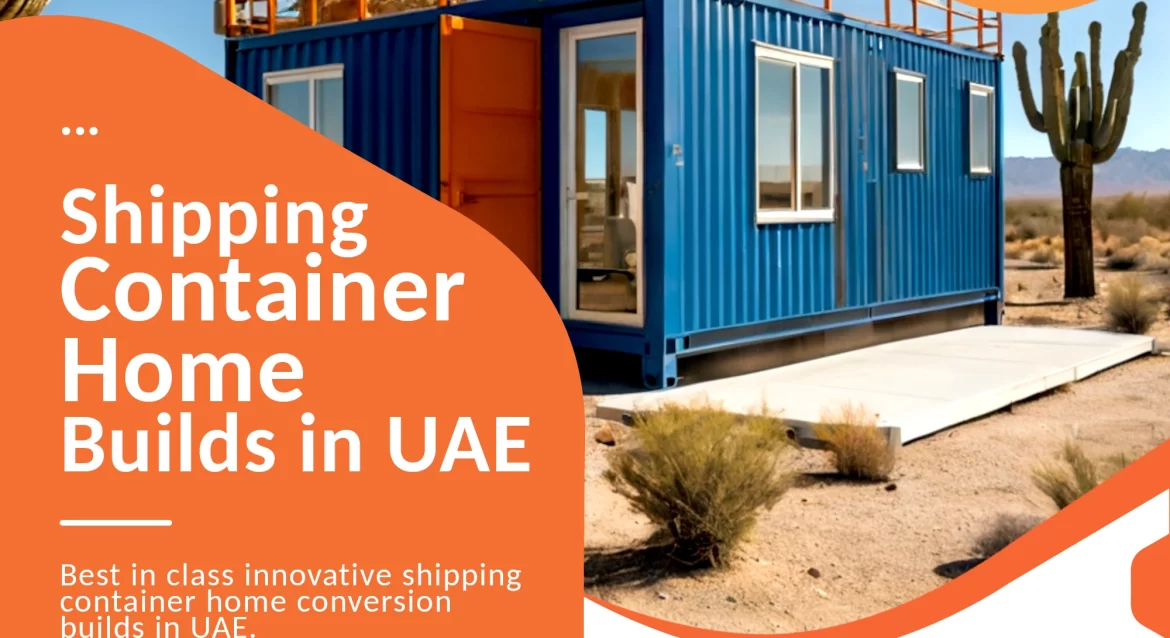
The UAE’s ambitious construction industry generates significant waste, but shipping container homes offer a powerful solution. By repurposing steel modules and utilizing precision off-site fabrication, this innovative approach dramatically reduces material waste, landfill contributions, and environmental impact, establishing a new paradigm for sustainable building in the region.
Table of Contents
1. The Challenge of Construction Waste in the UAE’s Building Boom
The UAE’s remarkable construction sector, while driving economic growth and architectural marvels, also generates substantial amounts of waste, placing immense pressure on landfills and the environment. Traditional building methods are inherently wasteful, with significant quantities of materials like concrete, steel, lumber, and packaging ending up as debris throughout the construction process. This waste not only depletes natural resources but also contributes to greenhouse gas emissions from the manufacturing and transportation of materials that are never utilized. Moreover, the demolition of older buildings creates vast amounts of rubble and mixed waste, often with limited recycling options, further exacerbating the problem. In a nation committed to sustainability, this level of waste is increasingly untenable, prompting a search for more efficient and responsible building methods. The government’s initiatives to divert waste from landfills and promote a circular economy have highlighted the need for innovative construction techniques that minimize environmental impact. Against this backdrop, shipping container Home UAE projects offer a compelling alternative, fundamentally rethinking the building process from the ground up. By shifting from a linear “take-make-dispose” model to a circular approach, container homes address the core issue of construction waste at its source. Arabian Containers, a leading container Home conversion company in UAE, is at the forefront of this shift, demonstrating how modular construction can dramatically reduce waste while delivering high-quality, sustainable homes. This innovative approach is not just about building homes; it is about building a more responsible and resource-efficient future for the UAE’s construction industry.
2. The Core Principle: Upcycling and Adaptive Reuse
The most fundamental way shipping container homes reduce waste is through the principle of upcycling and adaptive reuse, giving a new life to a decommissioned industrial product that would otherwise contribute to waste streams. Each shipping container used in a home represents a structure that has reached the end of its primary life cycle for cargo transport, and without intervention, it would often be left to rust in a yard or be melted down for scrap. The process of upcycling, as championed by a container conversion company in UAE, transforms this potential waste into a valuable, durable, and high-quality building component. This eliminates the need for the energy-intensive production of new structural materials like concrete and steel, significantly reducing the overall demand on natural resources. While traditional recycling of steel involves melting and reforming, which consumes vast amounts of energy, upcycling preserves the material’s integrity with minimal additional processing. The container retains its inherent structural strength, providing a robust shell that requires far less new material to make it habitable than a traditional building. This is a powerful example of a circular economy model, where waste is designed out of the system by extending the useful life of a material. By embracing this principle, a shipping container Home conversion project actively prevents a significant volume of industrial waste from ending up in landfills or needing energy-intensive recycling. Arabian Containers, as a trusted shipping container conversion company in UAE, builds its entire practice around this ethos, ensuring that every project begins by turning a potential waste product into a valuable resource. This act of upcycling is the single most impactful step in reducing the waste footprint of a new home.
3. Precision Fabrication and Reduced On-Site Material Waste
A key driver of waste reduction in shipping container homes is the precision of off-site fabrication, which dramatically minimizes the material waste typically associated with traditional construction methods. In a conventional build, materials like lumber, plywood, and drywall are cut to size on-site, inevitably leading to significant offcuts and scrap that are often discarded. The container modification process, executed by professionals like Arabian Containers, takes place in a controlled factory environment where computer-guided cutting and pre-measured materials are the norm. This precision ensures that every piece of material, from insulation boards to interior cladding, is cut to exact specifications, reducing offcuts and scrap to an absolute minimum. The factory setting also allows for the systematic collection and recycling of any waste that is generated, such as metal shavings or wood offcuts, ensuring it is diverted from landfill. This contrasts sharply with a chaotic construction site, where the mix of materials and waste makes effective sorting and recycling challenging. The use of pre-fabricated components, like custom-built cabinetry and pre-cut panels, further reduces the need for on-site modification and the associated waste generation. This controlled approach to material use is a fundamental advantage of a prefab Home construction company in UAE like Arabian Containers, where efficiency and waste reduction are built into the very fabric of the process. By moving the construction process indoors, container home projects are inherently cleaner, more efficient, and far less wasteful than their traditional counterparts. The environmental benefit of this precision is substantial, contributing significantly to the overall sustainability of the building.
4. Elimination of Building Demolition Waste
A critical, often overlooked, aspect of waste reduction is that shipping container homes are designed to be relocated or repurposed, effectively eliminating the demolition waste associated with traditional buildings. Conventional homes, when they reach the end of their useful life or when a site is redeveloped, are typically demolished, creating enormous volumes of rubble and mixed waste that are incredibly difficult and expensive to recycle. This demolition debris, often consisting of concrete, brick, wood, and mixed materials, is a major contributor to landfill volumes in the UAE. By contrast, a modular Shipping container Home is inherently a portable asset; its structural integrity and modular design mean it can be moved to a new location, repurposed for a different function, or even expanded and reconfigured. When a container home is no longer needed on a particular site, it can be transported to a new location, completely avoiding the costly and environmentally damaging process of demolition. This approach extends the useful life of the building structure and its materials indefinitely, preventing it from becoming waste. Even at the very end of its life, the steel of the container remains a valuable recyclable material, avoiding the mixed waste problem of a conventional demolition. Arabian Containers, as a Modular Home builder in UAE, designs its homes with this lifecycle in mind, ensuring they are built to be adaptable and durable. This focus on long-term value and flexibility is a profound waste-reduction strategy, ensuring that the home is a lasting asset rather than a future pile of debris. This design philosophy fundamentally changes the equation of building lifecycles, turning what is typically a costly disposal problem into an opportunity for reuse and material conservation.
5. Significantly Reduced Packaging Waste
The controlled factory environment and efficient logistics of container home construction also lead to a substantial reduction in packaging waste compared to traditional on-site building. At a typical construction site, a constant stream of deliveries brings materials individually packaged to protect them from the elements and damage, resulting in mountains of plastic wrap, cardboard, wood pallets, and protective sheeting. All this packaging adds significantly to the project’s waste stream and requires costly disposal. In a container modification project, materials are often delivered in bulk to the central fabrication facility, and packaging is greatly reduced through optimized logistics. For components that are pre-fabricated, such as custom kitchen units or bathroom pods, the packaging is minimized and often designed to be reusable or recyclable. Arabian Containers coordinates its supply chain to minimize the amount of packaging arriving at the factory, and any packaging that is used is properly sorted and recycled. This streamlined approach dramatically reduces the volume of waste that is generated before construction on the home even begins. Furthermore, the controlled environment of the factory means that materials are not exposed to the harsh UAE climate, reducing the need for over-packaging to protect against dust and moisture. This efficient logistics system is a core benefit of working with a professional shipping container Home conversion specialist. The reduction in packaging waste is a small but meaningful component of the overall environmental benefit, further demonstrating the superiority of the modular approach in terms of waste minimization.
6. Minimal Site Disturbance and Soil Contamination
Traditional construction sites are notorious for generating not only visible waste but also pollution and soil contamination from spilled chemicals, fuels, and construction debris. The heavy machinery used on-site can also cause significant soil compaction and disturbance, which can have long-term environmental impacts and require costly remediation. In contrast, the off-site fabrication of a shipping container home minimizes the time and equipment required on the final plot of land, significantly reducing the risk of soil contamination and environmental damage. When the completed modules arrive for installation, the process is swift and clean, involving a crane to place the structure on a prepared foundation, a process that generates very little site waste. This approach protects the natural environment of the site, preserving topsoil and avoiding the need to import vast quantities of fill material to level disturbed land. The reduced site activity also lessens noise and air pollution in the surrounding community, contributing to a more responsible and neighborly construction process. By avoiding the use of heavy machinery for extended periods, the risk of oil or fuel spills leaking into the ground is virtually eliminated. Arabian Containers’ turnkey service includes careful site preparation that minimizes environmental disruption, ensuring the project respects the local ecology. This minimal site disturbance is a significant environmental benefit of container construction that is often underestimated. By choosing a modular approach, homeowners are not only reducing material waste but also protecting the land their home is built upon from the harmful legacy of a traditional construction site.
7. Optimized Material Use and Reduced Transportation Waste
The efficiency of container home construction extends to the transportation of materials, reducing the fuel consumption and emissions associated with multiple, repeated deliveries to a construction site. A traditional build involves countless truck deliveries of lumber, concrete, bricks, and other materials over many months, each contributing to traffic congestion and carbon emissions. In contrast, the container modification process involves the bulk delivery of materials to the fabrication facility, significantly reducing the number of transport trips required. Once the module is complete, it is transported to the site in a single, highly efficient journey, a model that is far more environmentally sound than the fragmented logistics of a conventional site. This reduction in transport not only lowers the project’s carbon footprint but also reduces the wear and tear on roads and the associated infrastructure costs. The efficient use of materials and streamlined logistics mean that fewer resources are consumed in the entire supply chain, from the manufacturer to the site. Arabian Containers, as a responsible shipping container conversion company in UAE, optimizes its logistics to minimize fuel consumption and emissions, further enhancing the sustainability of the building process. This is a key aspect of waste reduction, as energy and resources are a form of waste when not used efficiently. By consolidating material flows and optimizing transport, container home construction contributes to a more efficient and less wasteful overall system. This holistic approach to resource management is a key advantage of the modular building model.
8. Supporting a Local Circular Economy
The growth of the container home sector actively supports the development of a local circular economy, where materials are continuously reused and recycled within the region. By creating a demand for decommissioned shipping containers, this industry ensures that these valuable steel assets are diverted from waste streams and given a productive local purpose. This reduces the UAE’s reliance on importing raw materials for construction, building greater economic resilience and self-sufficiency. The local fabrication and modification of containers create jobs and economic activity within the region, supporting a network of skilled tradespeople and suppliers. Arabian Containers, as a leading prefab Home construction company in UAE, contributes directly to this circular model by sourcing containers locally and employing local craftsmen for the conversion work. The supply chain for insulation, cladding, and finishes can also be local, further strengthening the economic ecosystem and reducing the environmental impact of long-distance transport. This circular approach ensures that the economic benefits of construction are retained within the community, fostering sustainable growth and innovation. By building homes from locally upcycled materials, the project becomes a powerful symbol of the UAE’s commitment to sustainability and resource efficiency. This model demonstrates that economic prosperity and environmental responsibility can go hand in hand, creating a virtuous cycle of reuse and value creation. Investing in a container home from Arabian Containers is therefore an investment in a more sustainable and prosperous local economy.
9. Future-Proofing Against Waste through Adaptability
The inherent adaptability of shipping container homes is a powerful strategy for waste reduction, as it allows the building to evolve with changing needs, preventing the need for demolition and new construction. A family’s requirements change over time, and a traditional home may become too small or lack the necessary functionality, often leading to an extension or even a move, both of which generate waste. A container home can be easily expanded by adding new modules, reconfigured internally by moving non-load-bearing walls, or even relocated entirely to a new plot. This adaptability means the home can grow and change with its occupants, avoiding the need to build a completely new structure, which is one of the most wasteful activities in the construction sector. Arabian Containers designs its modular Shipping container Home with this long-term flexibility in mind, ensuring that future modifications are straightforward and involve minimal waste. This approach to building treats the home as a dynamic system, not a static product, extending its useful life and preventing premature obsolescence. By designing for adaptability, the need for demolition and the associated waste are effectively eliminated. This is a profound shift in architectural thinking, where the longevity of a building is measured not just in decades but in its ability to adapt to changing human needs. This future-proofing is a hallmark of the container home’s sustainability, ensuring that the resources invested today will continue to provide value for generations, rather than ending up as a pile of rubble.
10. The Long-Term Environmental and Economic Benefits
The reduction of construction waste through container homes yields significant long-term environmental and economic benefits for homeowners and the wider UAE community. By minimizing waste sent to landfills, these homes reduce the pressure on finite land resources and lower the costs associated with waste management and landfill maintenance. The efficiency of the construction process and the reduced material consumption translate into direct cost savings for the homeowner, making sustainable building more affordable. The lower operational costs associated with the energy efficiency of a well-insulated container home further enhance the long-term economic viability of this choice. Environmentally, the reduced waste and lower carbon footprint contribute directly to the UAE’s national sustainability goals, helping to create a cleaner and healthier environment. The long-term durability and low maintenance of a container home ensure that fewer resources are consumed over its lifetime for repairs and replacements. This contributes to a more sustainable lifestyle, reducing the individual’s environmental footprint and setting a positive example for the community. By embracing waste-reducing construction, homeowners are also making a strategic investment, as the demand for sustainable, resilient homes is expected to increase in the future. The cumulative effect of these benefits is a building solution that is both ecologically responsible and economically sound. Arabian Containers is proud to deliver homes that embody these values, providing a sustainable and lasting legacy for UAE residents.
11. Compliance with UAE’s Sustainability Vision and Regulations
The adoption of shipping container homes aligns perfectly with the UAE’s ambitious sustainability vision and the increasing regulatory focus on reducing construction waste and promoting green building. The UAE has set clear targets for waste diversion and has established green building codes, such as Estidama in Abu Dhabi and Al Safat in Dubai, which incentivize sustainable construction practices. Container homes, with their inherent waste-reduction characteristics, are a natural fit for these frameworks and can often achieve high ratings under these green building standards. By choosing a sustainable construction method, developers and homeowners are actively contributing to the nation’s environmental goals and demonstrating compliance with evolving regulations. Arabian Containers stays abreast of all relevant codes and standards, ensuring that its container Home conversion projects meet and exceed the required environmental performance metrics. This proactive approach to compliance provides clients with the confidence that their home is built to a standard that is not only sustainable but also legally compliant and future-proof. The alignment with national sustainability goals also enhances the value and marketability of the home, appealing to a growing segment of environmentally conscious buyers. This regulatory harmony is a testament to the foresight of UAE policymakers and the innovative capacity of the container construction industry. By building a container home, you are actively participating in a national movement towards a more sustainable and waste-free future. This partnership between individual action and national policy creates a powerful force for positive environmental change, ensuring the UAE’s built environment is a leader in sustainability.
Shipping container homes represent a fundamental shift in how we think about construction waste, transforming a potential environmental liability into a building solution of exceptional resource efficiency. By upcycling steel modules, leveraging precision fabrication, and designing for adaptability, this approach dramatically reduces waste at every stage of the building lifecycle. Arabian Containers, as a leading shipping container conversion company in the UAE, is committed to delivering homes that champion these sustainable principles, combining environmental responsibility with exceptional quality and design. Their expertise ensures that every project minimizes its ecological footprint while maximizing value and longevity for the homeowner. To explore how a shipping container home can help you build sustainably and reduce construction waste, contact Arabian Containers today. Their dedicated team is ready to guide you through the process, creating a home that is as kind to the planet as it is beautiful and functional for the future of the UAE.