
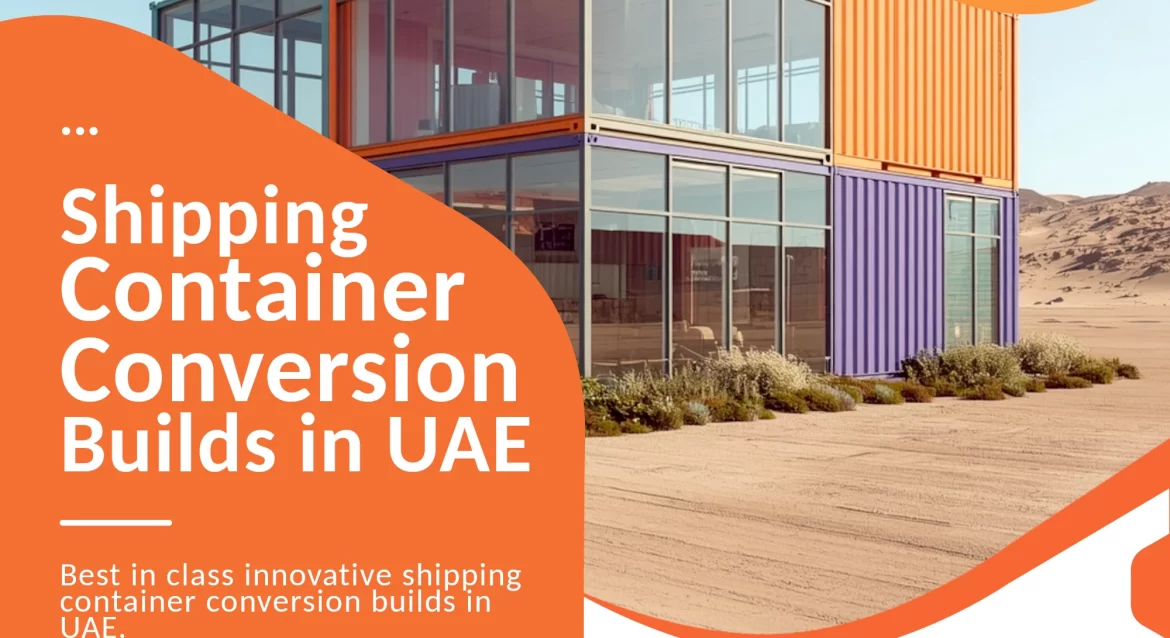
Choosing the right foundation is critical for shipping container buildings in the UAE. This guide explores foundation options—from concrete slabs to screw piles—analyzing their suitability for the region’s unique soil conditions, ensuring structural integrity, compliance, and long-term durability for your modular construction project.
Table of Contents
1. The Critical Importance of Foundations for Container Buildings
The foundation is the unsung hero of any building project, and for a shipping container Building UAE, selecting the correct foundation system is arguably the most critical technical decision you will make. Unlike traditional buildings that distribute weight over a large masonry footprint, containers concentrate their load on four corner points and the perimeter steel frame, creating unique engineering challenges that demand specialized foundation solutions. The foundation must not only support the dead load of the container and its contents but also resist the dynamic forces of wind, potential seismic activity, and the expansive nature of certain UAE soils. A poorly designed or improperly installed foundation can lead to structural distortion, door misalignment, cracked finishes, and costly repairs that undermine the entire investment. Arabian Containers, as a leading container Building conversion company in UAE, understands these complexities intimately and works with certified structural engineers to specify the optimal foundation for each unique project. The choice of foundation also impacts the speed of installation, overall project cost, and the ease of future relocation if the building needs to be moved. In the UAE’s diverse geological landscape, where soil conditions can vary dramatically over short distances, a one-size-fits-all approach is a recipe for failure. This comprehensive guide will explore the various foundation options available for container buildings, analyzing their strengths and weaknesses in the context of UAE soil conditions. By the end of this article, you will have a clear understanding of which foundation type is best suited for your specific project, ensuring a safe, durable, and compliant structure.
2. Understanding UAE Soil Conditions and Their Challenges
The UAE’s geology presents a unique set of challenges for foundation design, requiring careful analysis and engineering to ensure the stability and longevity of any structure, including a Shipping container Building UAE. The region’s soil composition varies significantly, from the sandy deserts of Al Ain and Abu Dhabi to the sabkha (salt flats) found along coastal areas, each presenting distinct geotechnical characteristics. Sandy soils, while generally well-draining, can be prone to erosion and instability if not properly compacted and contained, particularly in areas with high water tables. Sabkha soils, common in coastal zones like Dubai and Abu Dhabi, are highly problematic due to their high salt content, which is corrosive to concrete and steel, and their tendency to compress under load when wet. The presence of a high water table in many coastal areas requires foundations to be designed to resist hydrostatic pressure and prevent moisture ingress that could corrode the container’s steel structure. Furthermore, the UAE experiences extreme temperature fluctuations, causing soil to expand and contract, which can exert significant pressure on foundations and cause movement if not properly addressed. Wind loads are also a consideration, particularly for exposed sites or multi-story container buildings, requiring foundations that can anchor the structure securely. Arabian Containers, as a container conversion company in UAE, conducts thorough site assessments and geotechnical evaluations to understand the specific soil conditions at each project location. This due diligence ensures that the foundation design is tailored to the actual ground conditions, mitigating risks and ensuring the long-term stability of the container Building conversion.
3. Concrete Slab Foundations: The Traditional Choice
A reinforced concrete slab-on-grade foundation is one of the most common and versatile options for container buildings, offering a solid, level, and durable base that is well-suited to many UAE locations. This type of foundation involves excavating the site to a suitable depth, compacting the subgrade, and pouring a reinforced concrete slab that distributes the container’s weight over a large area, reducing the load per square meter. The slab can be designed with thickened edges or grade beams to provide additional support under the container’s corner points, where the load is most concentrated. For a container Home conversion in the UAE, a concrete slab offers excellent resistance to soil movement and provides a stable platform that minimizes the risk of differential settlement. The concrete also creates a barrier against moisture rising from the ground, protecting the container’s steel floor from corrosion, which is particularly important in coastal areas with high humidity and salt content. In terms of cost, a concrete slab is relatively affordable, especially for larger projects where the economies of scale reduce the per-unit cost. The construction process is straightforward and well-understood by local contractors, ensuring reliable quality and adherence to UAE building codes. However, a concrete slab is a permanent foundation, making it difficult and expensive to relocate the container building later if needed. The slab also requires a curing period of several days before the container can be placed, adding to the overall project timeline. Arabian Containers, as a prefab Building construction company in UAE, often recommends concrete slab foundations for permanent residential and commercial container installations where stability and longevity are the primary considerations.
4. Grade Beam Foundations: Elevated Support for Challenging Soils
Grade beam foundations, also known as perimeter beam foundations, offer an elevated support system that is particularly effective in UAE areas with expansive soils or high water tables. This type of foundation consists of reinforced concrete beams that are placed around the perimeter of the building footprint, supporting the container at its structural edges and transferring the load to deeper, more stable soil layers. The grade beams are typically supported by concrete piers or piles that extend below the active soil zone, ensuring that ground movement does not affect the building above. This elevated design creates a crawl space beneath the container, which provides several advantages: it allows for ventilation to prevent moisture buildup, provides access for plumbing and electrical runs, and creates a buffer against flood risk in low-lying areas. For a Shipping container Building UAE located in areas with expansive clay soils, grade beam foundations are often the preferred solution as they isolate the structure from the seasonal swelling and shrinking of the ground. The crawl space also makes it easier to inspect the underside of the container for any signs of corrosion or pest infestation, facilitating proactive maintenance. The cost of a grade beam foundation is typically higher than a simple slab due to the additional materials and labor required for the beams and piers. However, this investment is often justified by the superior performance and longevity it provides in challenging soil conditions. Arabian Containers, as a leading Modular Building builder in UAE, works with geotechnical engineers to design grade beam systems that are precisely tailored to the specific soil conditions and load requirements of each project.
5. Screw Pile Foundations: The Rapidly Deployable Solution
Screw pile foundations, also known as helical piles, are rapidly gaining popularity in the UAE for container buildings due to their speed of installation, minimal site disturbance, and excellent performance in a wide range of soil conditions. These foundations consist of steel shafts with helical plates that are screwed into the ground using hydraulic machinery, similar to how a screw is driven into wood, until they reach a bearing stratum with sufficient load-bearing capacity. Screw piles can be installed in a fraction of the time required for concrete foundations, often within a single day, allowing the container building to be placed and occupied much sooner. The installation process is clean and quiet, generating minimal soil disturbance and no excavated spoil, which is a significant advantage on constrained urban sites or environmentally sensitive areas. For a container Building conversion in the UAE, screw piles offer excellent resistance to uplift and lateral forces, making them ideal for anchoring structures against wind loads. They are also highly effective in sandy and sabkha soils, where their helical plates can achieve significant load capacity by compacting the surrounding soil as they are driven. One of the most compelling advantages of screw piles is their reversibility; if the building needs to be relocated, the piles can be unscrewed and reused, leaving the site virtually undisturbed. This makes them an ideal choice for temporary or mobile container installations, such as pop-up retail spaces, construction site offices, or worker accommodation camps. Arabian Containers, as a shipping container conversion company in UAE, frequently specifies screw pile foundations for projects where speed, flexibility, and minimal environmental impact are paramount.
6. Helical Piers vs. Driven Piles: Understanding the Difference
While screw piles and driven piles are both deep foundation solutions, they differ significantly in their installation method, behavior, and suitability for different soil conditions in the UAE. Driven piles are prefabricated steel or concrete elements that are hammered into the ground using a pile driver, displacing the soil around them as they penetrate to the required depth. This method can cause significant vibration and noise, which may be problematic in urban areas or near existing structures, and is generally not suitable for sites with sensitive neighbors. Screw piles, by contrast, are installed with a gentle, controlled rotational force that minimizes vibration and noise, making them a much more considerate option for populated areas. The installation of screw piles also allows for immediate load testing, as the torque required to drive the pile correlates directly with its load-bearing capacity, providing real-time verification of performance. Driven piles rely on skin friction and end bearing for their capacity, which can be difficult to predict accurately without extensive geotechnical investigation. Screw piles, with their helical plates, offer a more predictable and verifiable capacity, as each plate engages a known volume of soil. In UAE soils, particularly loose sands and sabkha, screw piles often outperform driven piles because the helical plates compact the soil and create a larger effective bearing area. Arabian Containers, as a knowledgeable Modular Building conversion company in UAE , can advise clients on the most appropriate deep foundation solution based on the specific soil report, load requirements, and site constraints. For most container building projects in the UAE, screw piles offer a superior combination of speed, verifiability, and minimal disruption compared to traditional driven piles.
7. Ground Screws: A Lightweight, Eco-Friendly Alternative
Ground screws represent an evolution of screw pile technology, offering a lightweight, rapidly installed, and environmentally friendly foundation solution for smaller container buildings and temporary structures. These foundations consist of a hollow steel shaft with a helical blade at the tip, which is screwed into the ground using handheld or small machine-driven equipment, making them accessible even in tight or difficult-to-reach locations. Ground screws are typically used for lighter structures, such as container cafes, kiosks, small offices, or garden rooms, where the loads are moderate and the soil conditions are favorable. The installation process is virtually instantaneous, with each screw taking just a few minutes to install, allowing a complete foundation system for a small container building to be installed in a matter of hours. This speed is invaluable for pop-up businesses or temporary installations where time-to-market is critical, such as a container Cafe UAE project that needs to be operational for a specific event or season. Like screw piles, ground screws are fully reversible and reusable, leaving no concrete residue or excavation spoil behind, which aligns with the principles of sustainable construction and circular economy. They are also adjustable, allowing for fine-tuning of the foundation height after installation to ensure the container is perfectly level, which is crucial for the proper functioning of doors and windows. Arabian Containers, as a pioneer in container modification, can specify ground screw foundations for appropriate projects, providing clients with a cost-effective, eco-friendly, and rapidly deployable foundation solution. However, it is important to note that ground screws have lower load capacities than larger screw piles or concrete foundations, so they are not suitable for all container building applications.
8. Choosing the Right Foundation: Key Factors to Consider
Selecting the optimal foundation for your container building is a decision that must be based on a careful evaluation of multiple factors, and Arabian Containers guides clients through this process with expert advice. The first and most important factor is the results of a geotechnical soil investigation, which reveals the soil composition, bearing capacity, water table depth, and any potential for expansive or corrosive soils. The size, weight, and intended use of the container building also dictate the foundation requirements; a single 20ft container home has very different needs than a stacked, two-story container office complex. The permanence of the structure is another key consideration; if the building is intended to be permanent, a concrete slab or grade beam may be appropriate, while temporary or mobile structures benefit from screw piles or ground screws. The local climate and environmental conditions, such as wind exposure and flood risk, must be factored into the design to ensure the foundation can resist these forces. Budget constraints are always a factor, and Arabian Containers helps clients balance the upfront cost of the foundation against the long-term benefits of durability, ease of relocation, and maintenance requirements. The project timeline also matters; if speed is of the essence, screw piles or ground screws offer a significant advantage over concrete solutions that require curing time. Local building codes and regulations must be complied with, and Arabian Containers’ expertise as a container Building conversion company ensures that the chosen foundation meets all relevant UAE standards. By carefully weighing these factors, clients can make an informed decision that ensures the structural integrity, longevity, and success of their container building project.
9. The Role of Geotechnical Investigation in Foundation Design
A thorough geotechnical investigation is not an optional extra but a fundamental requirement for any container building project in the UAE, providing the data necessary to design a safe and cost-effective foundation. This investigation, typically conducted by a licensed geotechnical engineer, involves drilling boreholes or test pits to collect soil samples from various depths, which are then analyzed in a laboratory for their physical and mechanical properties. The investigation determines the soil’s bearing capacity, which is the maximum load the soil can safely support without excessive settlement or failure, a critical parameter for foundation design. It also identifies the depth of the water table, the presence of any expansive clays or corrosive chemicals, and the potential for soil liquefaction during seismic events. For a container Building conversion in the UAE, this information is used to determine the required depth and type of foundation, ensuring that the load is transferred to a stable stratum. Without a proper geotechnical investigation, there is a significant risk that the foundation will be under-designed, leading to structural problems, or over-designed, leading to unnecessary costs. Arabian Containers insists on a geotechnical investigation for all its projects, as it is the only way to guarantee that the foundation is perfectly matched to the site conditions. The cost of this investigation is a small fraction of the overall project budget and is a prudent investment that protects against far more expensive problems down the line. By prioritizing this critical step, Arabian Containers, as a responsible prefab Building construction company in UAE, ensures that every container building it delivers is built on a foundation of solid, verified data.
10. Installation Considerations and Site Access
The installation of the foundation is a critical phase of the project, and the chosen method must be compatible with the site’s access, space, and logistical constraints. Concrete foundations require the delivery of ready-mix trucks, which need adequate access and space to maneuver, and the use of heavy equipment like excavators and concrete pumps. Screw pile installation requires specialized hydraulic machinery that must be able to reach the installation points, and the process generates some noise, which may be a consideration in populated areas. Ground screws can be installed with smaller, more agile equipment, making them suitable for sites with limited access or in sensitive environments. The site’s topography and ground conditions also influence the choice; a sloping site may require a stepped or terraced foundation design to create a level platform for the container. Arabian Containers conducts a thorough site assessment before recommending a foundation type, ensuring that the installation method is practical and efficient given the site’s specific characteristics. For projects in dense urban areas like Dubai or Abu Dhabi, the minimal disruption and rapid installation of screw piles or ground screws are often decisive advantages. In remote or desert locations, the self-contained nature of screw pile installation, which requires no water for concrete, can be a significant logistical benefit. The expertise of a container conversion company in UAE like Arabian Containers extends to managing these logistical challenges, ensuring a smooth and timely foundation installation that sets the stage for the successful placement of the container building.
11. Cost Comparison: Weighing Initial Investment vs. Long-Term Value
The cost of the foundation is a significant component of the overall project budget, and understanding the cost differences between foundation types is essential for making an informed financial decision. A simple concrete slab is often the least expensive option in terms of materials, but the cost of excavation, formwork, reinforcement, and labor can add up, and the requirement for a curing period adds to the project timeline. Grade beam foundations are more expensive than slabs due to the additional concrete, reinforcement, and excavation required for the deeper beams and piers. Screw pile foundations have a higher material cost per unit than concrete, but the speed of installation and the elimination of excavation and curing time can result in overall cost savings, especially when considering the earlier occupancy and revenue generation. Ground screws are typically the most cost-effective option for smaller, lighter structures, offering a fast and affordable foundation solution. However, the lowest initial cost is not always the best value; the long-term durability, maintenance requirements, and potential for relocation must also be considered. A foundation that is too cheap and fails prematurely will end up costing far more in repairs and downtime than a more expensive but robust solution. Arabian Containers, as a trusted Modular Building builder in UAE, provides clients with a detailed cost-benefit analysis for each foundation option, helping them make a decision that optimizes both upfront investment and long-term value. By considering the total cost of ownership, clients can choose a foundation that delivers the best financial outcome over the life of the building.
12. Ensuring Compliance with UAE Building Codes
Compliance with UAE building codes and regulations is non-negotiable for any construction project, and the foundation design must meet all relevant standards set by municipal authorities. Each emirate has its own building code and permitting requirements, and the foundation design must be submitted for approval, often accompanied by structural calculations signed off by a licensed engineer. The codes specify requirements for foundation depth, reinforcement, concrete strength, and resistance to environmental factors such as wind and seismic loads. For container buildings, which are a relatively novel construction method, it is essential to work with a partner who has experience navigating the regulatory landscape and can demonstrate compliance to the authorities. Arabian Containers, as a leading shipping container conversion company in UAE, has a deep understanding of these requirements and works closely with structural engineers and municipal authorities to ensure that every foundation design is fully compliant. This includes providing all necessary documentation, such as geotechnical reports, structural drawings, and calculations, to support the permit application. Failure to comply with building codes can result in costly delays, fines, or even the demolition of the structure, making it essential to get it right from the start. By entrusting the foundation design and installation to a professional container Building conversion company like Arabian Containers, clients can have confidence that their project will meet all regulatory requirements and pass inspections without issue. This compliance ensures the safety of the occupants, the durability of the building, and the legal validity of the investment.
Choosing the right foundation for your container building in the UAE is a decision that requires careful consideration of soil conditions, building loads, site access, budget, and regulatory requirements. From the solid permanence of concrete slabs to the rapid deployability of screw piles and ground screws, each foundation type offers distinct advantages for different applications and site conditions. A thorough geotechnical investigation is the essential first step in this process, providing the data needed to make an informed choice. Arabian Containers stands as the ideal partner for this critical phase of your project, offering unparalleled expertise in container modification, foundation design, and regulatory compliance. Their team of experts works closely with clients to ensure that the foundation is perfectly matched to the specific needs of the project, guaranteeing structural integrity, longevity, and value. To discuss your container building project and determine the best foundation solution for your site, contact Arabian Containers today. Their dedicated team is ready to guide you through every step of the process, from soil testing to foundation installation, ensuring your modular building stands on solid ground for years to come across the UAE.