
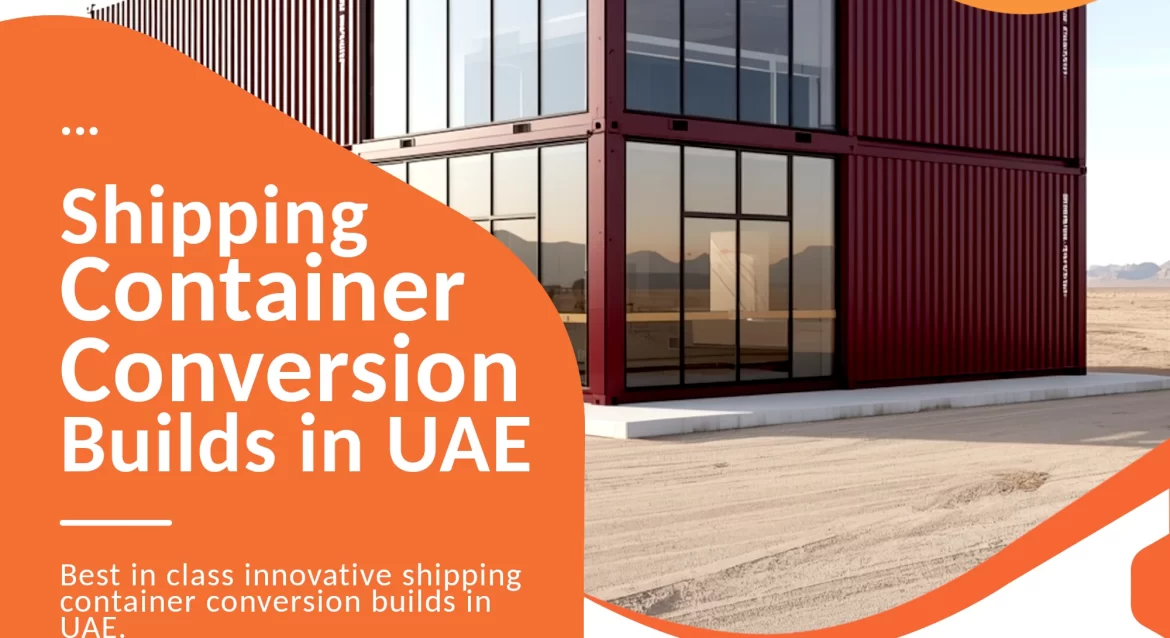
Shipping container conversions inherently reduce construction waste through adaptive reuse of steel structures. Arabian Containers, a leading shipping container conversion company in UAE, implements waste-minimizing designs that transform discarded containers into functional buildings while supporting circular economy principles.
Table of Contents
1. Circular Economy Principles in Container Conversion
The fundamental philosophy of shipping container conversion aligns perfectly with circular economy principles that prioritize resource conservation and waste reduction over traditional linear construction approaches. Arabian Containers, as a forward-thinking container building conversion company, views each container not as raw material but as a complete structural system ready for adaptive reuse with minimal additional resource extraction. Their container modification process begins with the recognition that every standard shipping container represents approximately 3,500 kg of prefabricated steel that would otherwise require energy-intensive mining, processing, and manufacturing to produce anew. By repurposing these industrial objects, Arabian Containers prevents them from becoming stranded assets or, worse, contributing to the global steel scrap stream that often ends in energy-intensive recycling processes. This approach directly supports the UAE’s Circular Economy Policy 2021-2031, which aims to reduce landfill waste by 75% and embrace sustainable consumption patterns across all sectors including construction. When undertaking shipping container Homes conversion projects, Arabian Containers extends the lifespan of containers by 30-50 years through proper refurbishment and protective treatments. Their methodology demonstrates how industrial byproducts can become valuable building resources rather than waste liabilities in the UAE’s development landscape. This circular thinking permeates every project whether creating a Shipping container Office UAE complex or a single container cafe conversion, with each decision evaluated against waste reduction criteria. Arabian Containers measures success not just by completed buildings but by materials diverted from landfills and virgin resources conserved through their innovative reuse approach.
2. Design for Deconstruction and Adaptability
Arabian Containers implements design principles that prioritize future adaptability and eventual deconstruction, ensuring container buildings can evolve rather than become obsolete and wasteful. Their container modification techniques employ mechanical connections over permanent welds wherever structurally permissible, allowing components to be disassembled and reconfigured as needs change. For modular Shipping container Homes, this approach means that interior partitions, exterior cladding, and even entire container modules can be rearranged or repurposed without destructive demolition. Arabian Containers designs standardized connection systems that enable containers to be joined and separated multiple times throughout their extended lifespan, significantly increasing their potential reuse cycles. This philosophy extends to interior elements in Shipping container Office UAE projects, where demountable wall systems and modular furniture allow spaces to adapt to changing business needs without generating construction waste. Their container fabrication process incorporates accessible fastening systems and labeled components that facilitate future modifications by identifying exactly how elements connect and what tools are required for disassembly. Arabian Containers creates detailed “material passports” for each project that document all components, their composition, and potential future reuse pathways, supporting circular economy principles even beyond the building’s initial lifespan. When planning container cafe conversion projects, they design flexible service areas that can accommodate different kitchen layouts or dining configurations as concepts evolve. This forward-thinking approach prevents the premature obsolescence that plagues conventional construction, where buildings often undergo costly gut renovations or complete demolition decades before their structural potential is exhausted. By designing for multiple lifecycles, Arabian Containers ensures that their conversions contribute to a regenerative building ecosystem in the UAE rather than a linear waste stream.
3. Material Efficiency and Optimization
Arabian Containers employs precise material planning and optimization strategies that minimize waste generation throughout the container conversion process in the UAE. Their container modification approach begins with advanced 3D modeling and digital fabrication planning that calculates exact material requirements before any cutting begins. Using computer-controlled cutting equipment, Arabian Containers nests components to maximize yield from every sheet of added material, whether steel reinforcement plates, insulation boards, or interior paneling. For shipping container Homes conversion projects, they design floor plans that align with the container’s existing structural grid, minimizing the need for additional framing materials that would create offcuts and waste. Arabian Containers maintains an organized system for categorizing and storing material remnants, with dedicated areas for metal pieces, wood offcuts, insulation scraps, and other materials that can be repurposed in future projects. Their container fabrication specialists receive training in waste-conscious techniques, such as using remnant pieces for smaller elements like corner braces, connection plates, or trim pieces rather than cutting from full sheets. When undertaking Shipping container Office UAE developments, they implement just-in-time material delivery coordinated with precise construction sequencing to prevent damage and deterioration of stored materials on site. Arabian Containers tracks material utilization rates across projects, continually refining their calculations and processes to achieve ever-higher efficiency in their container modification operations. This meticulous approach to material management typically results in 85-90% utilization rates compared to 70-75% in conventional construction, significantly reducing the volume of waste sent to UAE landfills. By treating every material input as valuable and finite, Arabian Containers models resource responsibility while delivering high-quality conversions for diverse applications across the Emirates.
4. Prefabrication and Off-Site Construction
The prefabricated nature of shipping container conversions inherently reduces waste through controlled factory conditions that optimize material use and prevent site-based spoilage. Arabian Containers performs approximately 85% of their container modification work in climate-controlled fabrication facilities before units ever reach their final locations. This controlled environment allows for precise material handling, proper storage conditions, and efficient workflow organization that minimizes errors, rework, and resultant waste. For modular Shipping container Homes, this means entire sections arrive on site with completed interiors, eliminating the packaging waste, cutoffs, and damaged materials that typically accompany multiple trade deliveries to conventional construction sites. Their container fabrication process follows lean manufacturing principles with workstations organized for sequential assembly, reducing material movement and potential damage between production stages. When creating Shipping container Office UAE complexes, Arabian Containers coordinates the simultaneous fabrication of multiple units, enabling bulk material purchasing with less packaging and better utilization through combined cutting plans. The company’s facilities include dedicated areas for recycling and proper waste segregation, with clear streams for metals, woods, plastics, and other materials generated during the conversion process. Arabian Containers implements quality control checkpoints at each production stage, catching issues early when correction requires minimal material replacement rather than after installation when entire assemblies might need replacement. This prefabrication approach dramatically reduces the construction waste typically generated on building sites across the UAE, where studies show 30-40% of materials delivered to conventional projects end up as waste. By shifting construction activities to controlled factory settings, Arabian Containers demonstrates how the building industry can significantly reduce its environmental footprint while delivering superior quality structures.
5. Integration of Recycled and Reclaimed Materials
Arabian Containers complements the inherent recycling value of shipping containers by incorporating additional recycled and reclaimed materials into their conversion projects throughout the UAE. Their container modification designs frequently feature reclaimed wood from deconstructed buildings, giving new life to materials that would otherwise become landfill waste. For shipping container Homes conversion projects, they often use recycled glass countertops, reclaimed brick or stone accents, and repurposed architectural elements that add character while reducing demand for virgin materials. Arabian Containers maintains relationships with UAE-based suppliers of certified recycled content building products, from insulation made of recycled denim to composite decking manufactured from reclaimed plastics and wood fibers. Their container fabrication specialists are trained to work with variable reclaimed materials, adapting designs to accommodate the unique characteristics and dimensions of salvaged components. When designing Shipping container Office UAE interiors, they source furniture and fixtures from local upcycling businesses that transform industrial waste into functional office elements. Arabian Containers incorporates recycled steel elements for additional structural components, supporting UAE’s growing metal recycling industry while reducing the carbon footprint of their conversions. For container cafe conversion projects, they often feature reclaimed timber bar tops, recycled glass pendant lights, and repurposed industrial equipment adapted for food service applications. This commitment to material circularity extends beyond the containers themselves, creating buildings that tell stories of transformation while keeping valuable materials in productive use. By showcasing beautiful applications of reclaimed materials, Arabian Containers inspires clients and the broader construction industry to reconsider what constitutes “waste” in the UAE’s built environment.
6. Waste Stream Management and Diversion
Arabian Containers implements comprehensive waste management protocols that maximize diversion from UAE landfills through careful sorting, processing, and partnerships with recycling facilities. Their container modification facilities feature clearly labeled sorting stations for different waste streams, including separate containers for ferrous metals, non-ferrous metals, wood, plastics, glass, and composites. For metal waste generated during shipping container Homes conversion, they separate steel, aluminum, and copper materials for specialized recycling that maintains material quality for future applications. Arabian Containers partners with UAE-based recycling companies that process specific waste types, ensuring materials enter appropriate recycling streams rather than general waste collection. Their container fabrication process includes training all personnel in proper waste sorting procedures, with regular audits to maintain high diversion rates across all project types. When undertaking Shipping container Office UAE projects, they implement site-specific waste management plans that identify local recycling facilities and establish procedures for material separation during both fabrication and installation phases. Arabian Containers documents waste generation and diversion metrics for each project, using this data to identify improvement opportunities in their processes and material selections. They prioritize waste prevention through careful planning, but for unavoidable waste, they seek the highest value recovery options, whether through reuse within their operations, donation to community projects, or proper recycling. This systematic approach to waste management typically achieves 90-95% diversion rates from landfills, far exceeding conventional construction practices in the UAE. By treating waste as a design and operational challenge rather than an inevitable byproduct, Arabian Containers demonstrates how construction can align with the UAE’s sustainability goals and waste reduction targets.
7. Energy and Water Efficiency Integration
Waste reduction extends beyond materials to encompass energy and water resources in shipping container conversions designed by Arabian Containers for the UAE market. Their container modification incorporates high-performance insulation systems that reduce energy waste for heating and cooling in the region’s extreme climate. For modular Shipping container Homes, they install energy recovery ventilation that minimizes conditioned air loss while maintaining healthy indoor environments. Arabian Containers designs natural daylighting strategies that reduce reliance on artificial lighting during daytime hours, particularly valuable in Shipping container Office UAE applications where lighting constitutes significant energy consumption. Their container fabrication includes precise installation of air sealing systems that prevent energy waste through leaks in the building envelope, a common issue in conventional construction. When planning container cafe conversion projects, they specify energy-efficient kitchen equipment with better insulation and advanced controls that reduce both energy and water waste during food service operations. Arabian Containers integrates water-saving fixtures and, where appropriate, greywater recycling systems that minimize potable water waste in a region where this resource is particularly precious. They design solar-ready structures that can accommodate renewable energy systems, further reducing dependence on grid electricity and associated transmission losses. These integrated efficiency measures demonstrate how waste-conscious design extends to operational resources, creating buildings that conserve energy and water throughout their lifespan in the UAE environment. By addressing multiple resource streams, Arabian Containers creates truly sustainable conversions that minimize environmental impact across their complete lifecycle.
8. Modularity and Scalability Advantages
The inherent modularity of shipping containers provides natural advantages for waste reduction through scalable designs that can grow or adapt without demolition and reconstruction. Arabian Containers leverages this characteristic in their container modification approach, creating systems that allow buildings to expand or contract based on changing needs. For shipping container Homes conversion projects, they design connection systems that enable homeowners to add modules for growing families or subtract units for simplified living without destructive alterations. Their container fabrication includes standardized interfaces between units, ensuring that components remain compatible across different projects and over time. When designing Shipping container Office UAE complexes, Arabian Containers creates flexible floor plans that can be reconfigured as businesses evolve, preventing the complete gut renovations that generate substantial waste in conventional offices. This modular approach allows for phased construction, where buildings can start smaller and expand as needed, preventing the common scenario of overbuilding and underutilization that wastes resources. Arabian Containers designs disassembly sequences for their projects, documenting how buildings can be taken apart for relocation or reconfiguration with minimal material damage or waste generation. For multi-use developments, they create adaptable structures that can transition between functions—such as from retail to office or residential use—extending building lifespans and preventing demolition waste. This scalability represents a fundamental shift from static construction to dynamic building systems that can evolve with changing requirements in the UAE’s fast-paced development environment. By embracing modularity, Arabian Containers creates buildings that are inherently more sustainable through their ability to adapt rather than be replaced.
9. Digital Design and Fabrication Technologies
Arabian Containers employs advanced digital technologies that enhance precision and reduce waste throughout the design and fabrication of shipping container conversions in the UAE. Their container modification process begins with detailed 3D scanning of each container, capturing exact dimensions and conditions to inform precise design adaptations. Using Building Information Modeling (BIM) software, they create virtual prototypes that allow for clash detection and optimization before any physical work begins. For modular Shipping container Homes, this digital approach enables them to plan exact material cuts across multiple containers simultaneously, maximizing yield and minimizing offcuts. Arabian Containers utilizes digital fabrication equipment including computer-controlled plasma cutters, routers, and bending machines that translate digital designs into physical components with millimeter accuracy. Their container fabrication facilities employ robotic welding systems that produce consistent, high-quality joints with minimal material waste compared to manual alternatives. When planning Shipping container Office UAE projects, they use energy modeling software to optimize insulation placement and mechanical system design, reducing operational waste throughout the building’s lifespan. Arabian Containers maintains digital material databases that track stock levels, dimensions, and potential applications for remnant pieces, ensuring optimal use of all materials across their project portfolio. These technologies reduce errors and rework that typically generate significant waste in conventional construction while enabling designs that would be impractical with traditional methods. By embracing digital innovation, Arabian Containers demonstrates how technology can drive sustainability in the construction sector while delivering precision-crafted conversions for diverse applications across the Emirates.
10. Sustainable Interior Design Strategies
Arabian Containers extends waste reduction principles to interior design through strategies that minimize material consumption while creating healthy, beautiful spaces in their container conversions. Their container modification approach includes designing built-in furniture that utilizes space efficiently while reducing the need for separate, potentially wasteful furniture items. For shipping container Homes conversion projects, they create multi-functional elements like fold-down tables, convertible seating, and hidden storage that maximize utility from minimal materials. Arabian Containers specifies low-VOC finishes and adhesives that contribute to healthy indoor environments while reducing chemical waste streams during application and throughout the product lifecycle. Their container fabrication includes precision-cut interior paneling that minimizes joints and seams, reducing both material use and potential failure points that would require future replacement. When designing Shipping container Office UAE interiors, they create flexible workstations that can be reconfigured without replacement, adapting to changing team structures and work patterns. Arabian Containers sources rapidly renewable materials like bamboo for flooring and cabinetry, reducing pressure on slower-growing timber resources while supporting sustainable agriculture. For container cafe conversion projects, they design durable surfaces that withstand commercial use with minimal maintenance, extending service life and reducing replacement waste. They implement lighting designs that combine energy efficiency with aesthetic appeal, using long-lasting LED fixtures with appropriate color rendering for different functions. These interior strategies demonstrate how thoughtful design can create inviting spaces while minimizing resource consumption and potential waste throughout the operational life of container buildings in the UAE.
11. Lifecycle Assessment and Continuous Improvement
Arabian Containers employs lifecycle thinking to evaluate and improve the waste performance of their shipping container conversions across all stages from material sourcing to end-of-life management. Their container modification decisions consider not just immediate waste generation but long-term impacts, selecting materials and assemblies that will perform durably in the UAE environment. For each shipping container Homes conversion project, they assess potential maintenance requirements and design for easy access and replacement of components that may wear out before the structure itself. Arabian Containers tracks material flows through their operations, identifying points where waste occurs and implementing targeted improvements to their processes and designs. Their container fabrication teams participate in regular waste reduction workshops where they identify opportunities to improve material utilization and minimize scrap generation. When evaluating products for Shipping container Office UAE projects, they consider full supply chain impacts including manufacturing waste, transportation emissions, and end-of-life scenarios. Arabian Containers maintains relationships with suppliers who share their waste reduction values, preferring products with minimal packaging, recycled content, and take-back programs. They conduct post-occupancy evaluations on completed projects to identify unexpected maintenance issues or opportunities for design improvements in future conversions. This commitment to continuous improvement ensures that each project builds upon lessons learned from previous work, steadily reducing waste while enhancing quality and performance. By embracing lifecycle assessment, Arabian Containers moves beyond simple waste diversion to holistic resource optimization throughout their container conversion practice in the UAE.
12. Educational and Industry Leadership
Arabian Containers extends their waste reduction impact beyond individual projects by educating clients, partners, and the broader construction industry about sustainable practices in shipping container conversion. Their container modification facilities include viewing areas where clients can observe waste-conscious processes firsthand during project development. For shipping container Homes conversion clients, they provide documentation that explains the waste reduction benefits of their design choices and offers guidance for sustainable operation. Arabian Containers participates in UAE construction industry forums and sustainability events, sharing their methodologies and lessons learned in reducing construction waste through innovative approaches. Their container fabrication teams mentor apprentices in waste-conscious techniques, building capacity for sustainable practices across the next generation of construction professionals. When completing Shipping container Office UAE projects, they include educational displays that highlight the waste diverted and resources conserved through container conversion versus conventional construction. Arabian Containers collaborates with academic institutions on research projects that quantify the environmental benefits of container conversion and identify opportunities for further improvement. They transparently share their waste metrics and challenges, contributing to collective learning within the UAE’s construction sector about practical pathways to reduce environmental impact. This educational commitment amplifies their impact beyond direct project work, influencing broader industry practices and client expectations around construction waste. By leading through example and education, Arabian Containers helps accelerate the transition toward more sustainable building practices throughout the Emirates.
Waste-reducing building designs require specialized expertise that balances structural integrity, functionality, and environmental responsibility throughout the conversion process. Arabian Containers brings this essential combination of skills to every project, ensuring that shipping container conversions achieve their full potential as sustainable building solutions. Their comprehensive approach addresses waste reduction at every stage from initial design through fabrication, installation, and eventual adaptation or deconstruction. Arabian Containers demonstrates daily that beautiful, functional spaces can be created while significantly reducing the environmental impact typically associated with construction. Contact Arabian Containers today to discuss how waste-conscious container conversion can bring your building vision to life while supporting UAE’s sustainability goals. Their team welcomes the opportunity to explain their innovative approaches and design solutions tailored to your specific requirements anywhere in the Emirates.